Derek Walcott
1992 Nobel Prize in Literature · Browse all books on Amazon ↗
Derek Walcott stands as one of the most significant literary voices of the twentieth century, earning the Nobel Prize in Literature in 1992 for a body of work that bridges continents, cultures, and artistic forms with extraordinary eloquence. Born in St. Lucia and shaped by the Caribbean’s colonial history, Walcott became a master of both poetry and drama, creating works that grapple with the complexity of post-colonial identity while transcending regional boundaries to speak to universal human experience. His reputation rests on an almost unparalleled command of language and formal technique, combined with a moral seriousness that refuses easy answers or comfortable reconciliations.
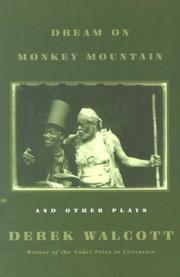
Walcott’s distinctive style weaves together the English literary tradition—from Shakespeare to the Romantic poets—with Caribbean vernacular, African-diasporic consciousness, and visual artistry, creating a synthesis entirely his own. His recurring themes explore the wounds of colonialism and slavery, the search for artistic authenticity in a fractured world, and the redemptive possibility of imagination and love. Whether working in the compressed intensity of lyric poetry, the ambitious scope of epic verse like Omeros, or the theatrical power of plays such as Dream on Monkey Mountain and Other Plays, he demonstrates an unfailing ear for language and an insistence that Caribbean experience matters as profoundly as any in world literature.
In the broader literary landscape, Walcott occupies a pivotal position as a defining figure of postcolonial literature and a crucial voice in reshaping how the English language itself could be imagined and deployed. His work expanded the geographical and cultural horizons of contemporary poetry while maintaining the highest standards of craft, proving that regional particularity and universal resonance are not opposites but complementary truths.