Doris Lessing
2007 Nobel Prize in Literature · Browse all books on Amazon ↗
Doris Lessing stands as one of the most significant voices of twentieth-century literature, earning the Nobel Prize in Literature in 2007 for her epic imagination and fierce moral conviction. Born in Persia and raised in Southern Rhodesia before settling in England, Lessing brought the perspective of colonial Africa into the heart of Western literary consciousness, fundamentally challenging how literature could address politics, psychology, and social upheaval. Her career spanned seven decades, during which she remained unapologetically committed to examining power structures, injustice, and the complexities of human consciousness with unflinching intelligence.
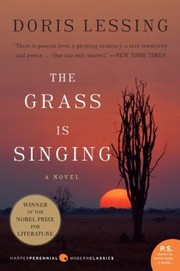
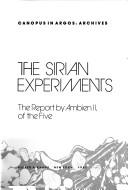
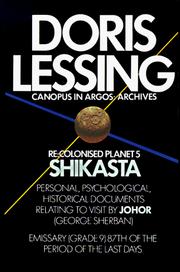
Lessing’s distinctive style evolved dramatically throughout her career, ranging from tightly controlled social realism to experimental science fiction. The Golden Notebook, perhaps her masterwork, revolutionized literary form itself by using fragmented narratives and shifting perspectives to explore female consciousness and political disillusionment in the Cold War era. Her early African novels like The Grass is Singing and her sequence of interconnected works set in Southern Rhodesia laid bare the moral contradictions of colonialism, while later works such as Shikasta and The Sirian Experiments ventured into speculative territories to interrogate human nature and civilizational cycles.
Throughout her prolific body of work, Lessing grappled obsessively with themes of alienation, ideology, gender, and humanity’s capacity for both destruction and transcendence. Her unflinching character studies and willingness to explore uncomfortable psychological terrain made her a restless innovator rather than a comfortable fixture of literary tradition. In doing so, she secured her place as a towering figure who fundamentally expanded what fiction could be and what it could achieve.