Elfriede Jelinek
2004 Nobel Prize in Literature · Browse all books on Amazon ↗
Elfriede Jelinek stands as one of contemporary literature’s most provocative and formally innovative voices. The Austrian author’s 2004 Nobel Prize in Literature recognized her as a fearless interrogator of power, desire, and violence in modern society. Her work has fundamentally challenged what literature can do and say, earning her a reputation as a transformative figure in European letters while simultaneously making her one of the most contested and debated writers of our time.
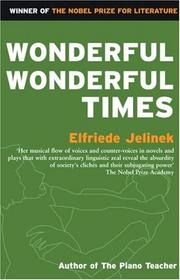
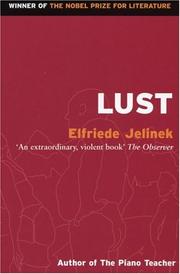
Jelinek’s distinctive style is characterized by dense, fractured prose that mirrors the chaos of consciousness and the fragmentation of contemporary experience. She employs collage, wordplay, and deliberate stylistic disruption to expose the brutality lurking beneath everyday life, particularly in intimate relationships and institutional structures. Her novels unflinchingly examine sexuality, family trauma, and the ways patriarchal systems inscribe themselves on bodies and minds. Works like The Piano Teacher, Lust, and Women as Lovers have become canonical for their searing explorations of female desire and victimization, while pieces such as Bambiland and The King Dances demonstrate her willingness to engage with politics and history through increasingly experimental formal strategies.
As an Austrian writer working in the shadow of her nation’s complicated twentieth-century history, Jelinek occupies a crucial position in contemporary European literature. She has expanded the possibilities of the novel form itself, creating texts that resist easy categorization and demand active, uncomfortable engagement from readers. Her refusal to offer consolation or conventional narrative satisfaction has established her as a major influence on experimental fiction and as a vital voice challenging the assumptions of literary tradition itself.