Ernest Hemingway
1954 Nobel Prize in Literature · Browse all books on Amazon ↗
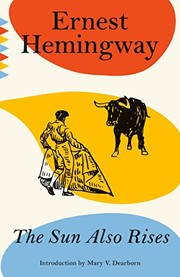
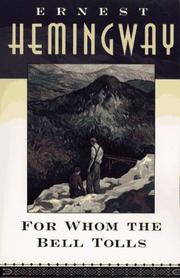
Ernest Hemingway stands as one of the most influential American writers of the twentieth century, fundamentally reshaping how literature captures human experience. His 1954 Nobel Prize in Literature recognized not just the quality of his work, but his revolutionary impact on prose itself. Hemingway’s novels and stories—from the disillusioned expatriates of The Sun Also Rises to the epic tragedy of For Whom the Bell Tolls—defined an era and continue to resonate with readers seeking unflinching examinations of loss, courage, and mortality.
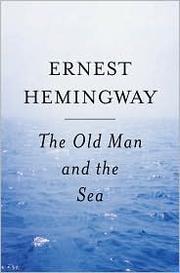
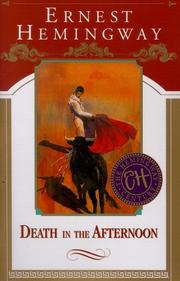
Hemingway’s distinctive style represents a deliberate rejection of ornate Victorian prose in favor of what he called the “iceberg principle”: conveying deep emotional and psychological truths through spare, direct language and carefully chosen concrete details. His declarative sentences and restrained dialogue create an illusion of simplicity that masks profound complexity. Throughout his career, he returned obsessively to certain themes—the consequences of violence and war, the dignity of individuals confronting impossible circumstances, the tension between romantic idealism and harsh reality. Whether depicting a fisherman’s final struggle in The Old Man and the Sea or the bullfighting rituals of Spain in Death in the Afternoon, Hemingway sought to distill life to its essential moments.
Beyond his artistic achievement, Hemingway embodied the romantic figure of the writer as adventurer, living out the codes of honor and stoicism he championed in his fiction. His influence on world literature cannot be overstated—he fundamentally altered what prose could accomplish, establishing a model of literary masculinity and authenticity that shaped generations of writers who either emulated or deliberately pushed against his aesthetic.