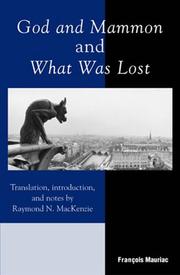
François Mauriac
1952 Nobel Prize in Literature · Browse all books on Amazon ↗
François Mauriac stands as one of the towering figures of twentieth-century French literature, a writer whose psychological penetration and moral seriousness earned him the Nobel Prize in Literature in 1952. Throughout a prolific career spanning decades, Mauriac established himself as the supreme novelist of the Catholic conscience, exploring the hidden depths of human motivation with an unflinching gaze that revealed the often-uncomfortable coexistence of faith, desire, and hypocrisy in the human soul.
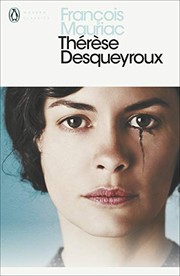
Mauriac’s distinctive style combines the formal elegance of French literary tradition with a modernist sensibility toward psychological complexity. His novels are notably spare in their settings and actions—often confined to provincial drawing rooms or the claustrophobic spaces of family life—yet they roil with intense internal conflict and spiritual turbulence. Works like Thérèse Desqueyroux and The Knot of Vipers showcase his ability to penetrate the minds of characters consumed by resentment, jealousy, and thwarted passion, revealing how moral and spiritual crises simmer beneath the surface of respectable bourgeois existence. Mauriac’s recurring preoccupations include the conflicts between bodily desire and spiritual aspiration, the corrosive effects of family secrets, and the possibility of divine grace intersecting with human weakness.
Mauriac’s place in world literature rests on his unique synthesis of the Catholic novel tradition with modernist techniques of interiority. He represents a particularly French Catholic humanism—skeptical of easy piety yet deeply concerned with questions of sin, redemption, and the operations of divine love in fallen human lives. His influence extends beyond French letters to shape how the twentieth century understood the psychological and spiritual dimensions of faith.