Gabriel García Márquez
1982 Nobel Prize in Literature · Browse all books on Amazon ↗
Gabriel García Márquez stands as one of the most influential writers of the twentieth century, a Colombian master who fundamentally transformed world literature through his invention of magical realism. When he won the Nobel Prize in Literature in 1982, the Swedish Academy recognized not just a gifted novelist but an architect of a new literary language. His work demonstrated that literature from Latin America deserved a place at the center of the global literary canon, and his success opened doors for countless writers from the region who followed.
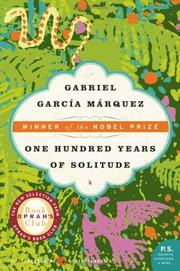
García Márquez’s distinctive voice emerges from his ability to weave the magical seamlessly into the mundane, treating the extraordinary as inevitable within ordinary lives. Whether depicting a town where it rains for nearly five years or a woman who ascends to heaven while folding laundry, he presents these wonders with journalistic precision and emotional authenticity. His novels—from the multigenerational saga of One Hundred Years of Solitude to the achingly tender Love in the Time of Cholera—explore themes of isolation, the cyclical nature of history, love’s persistence across time, and the weight of the past on the present. His work often draws from Colombian reality, yet achieves a mythic, universal resonance.
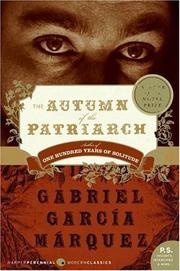
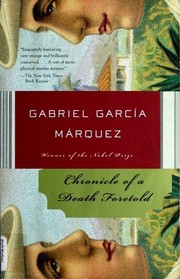
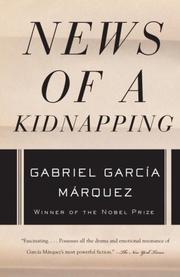
Beyond his novels, García Márquez’s complete body of work reveals an artist of remarkable range: the spare, devastating brevity of Chronicle of a Death Foretold, the baroque political allegory of The Autumn of the Patriarch, and his meticulous journalism, including News of a Kidnapping, demonstrate his mastery across genres. His vivid, sensory prose and unflinching examination of human desire and mortality have made him not merely a celebrated author but a transformative literary figure whose influence extends far beyond Spanish-language literature.