Gabriela Mistral
1945 Nobel Prize in Literature · Browse all books on Amazon ↗
Gabriela Mistral stands as a towering figure in Latin American literature and the first woman from the Americas to win the Nobel Prize in Literature. Born in Chile, she crafted a literary voice that emerged from deep personal suffering—particularly the suicide of her young lover—and transformed that anguish into poetry of universal resonance. Her 1945 Nobel recognition acknowledged not only her artistic mastery but also her role as a cultural ambassador who elevated Spanish American literature to global prominence during a period when European voices dominated international literary discourse.
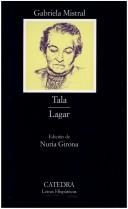
Mistral’s distinctive style blends modernist sensibility with accessible emotionality, creating work that feels both intellectually sophisticated and profoundly human. Her recurring themes circle around grief, maternal love, social justice, and spirituality—concerns she approached with unflinching honesty. Collections like Desolation and Sonnets of Death showcase her ability to mine personal devastation for wisdom about loss and resilience, while works such as Tala and Wine Press expand her vision to encompass broader human concerns, including indigenous rights and economic inequality.
Beyond her poetry, Mistral’s significance lies in her integration of activism and art. She worked as an educator and diplomat throughout her life, using her platform to advocate for social reform and women’s dignity. This commitment to social conscience, paired with her technical brilliance and emotional depth, established her as a model for engaged writers and cemented her legacy as a bridge between modernism and a more socially conscious literary tradition in the twentieth century.