Gao Xingjian
2000 Nobel Prize in Literature · Browse all books on Amazon ↗
Gao Xingjian stands as one of the most significant voices in contemporary world literature, recognized by the Nobel Academy in 2000 for his groundbreaking contributions to drama, fiction, and literary theory. A Chinese-born writer who spent much of his career navigating political exile and cultural displacement, Gao achieved international prominence despite—and perhaps because of—his work’s refusal to be easily categorized or co-opted by any single literary establishment. His influence extends across multiple genres and continents, challenging readers and audiences to confront the nature of consciousness, authenticity, and artistic freedom itself.
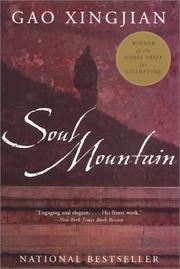
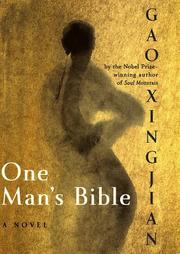
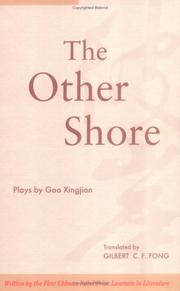
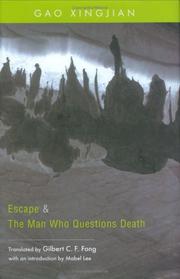
Gao’s distinctive style emerges from his tireless experimentation with narrative form and dramatic technique, evident in major works like Soul Mountain and One Man’s Bible. These novels dissolve conventional boundaries between autobiography and fiction, present and past, inner monologue and external action. His plays, including The Other Shore and Escape, similarly reject realistic conventions in favor of abstract, often fragmented theatrical language designed to engage the audience’s imagination rather than dictate meaning. Recurring throughout his oeuvre are meditations on alienation, the search for individual authenticity in the face of totalitarianism, and the redemptive possibilities of art and nature.
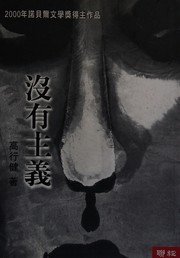
As both a practitioner and theorist, Gao articulated his artistic philosophy through essays and manifestos, most notably in Without Isms, which advocated for creative freedom unburdened by political dogma or literary schools. His work represents a crucial bridge between Chinese literary traditions and global modernism, offering a model of artistic integrity that refuses complicity with authoritarian systems while remaining deeply engaged with questions of human meaning and survival.