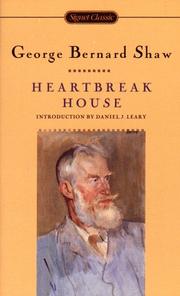
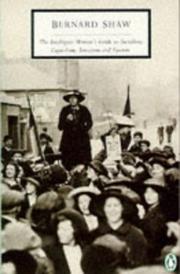
George Bernard Shaw
1925 Nobel Prize in Literature · Browse all books on Amazon ↗
George Bernard Shaw stands as one of the most formidable dramatists and social critics of the twentieth century, a writer whose razor-sharp wit and uncompromising moral vision made him as famous for his provocative ideas as for his theatrical genius. Born in Dublin and long based in England, Shaw wielded the stage as a weapon against hypocrisy, convention, and injustice, earning him recognition as the leading figure in modern drama. His 1925 Nobel Prize acknowledged not just his mastery of dramatic form but his role as a crusading intellectual who used the theater to challenge audiences’ assumptions about class, morality, and the very nature of civilization.
Shaw’s distinctive style combines biting comedy with philosophical depth, characters who deliver dazzling dialogue while grappling with serious ideas, and a structural audacity that defies theatrical convention. His plays function as argument as much as entertainment—in works like Pygmalion, he anatomized class and education; in Saint Joan and Major Barbara, he interrogated faith and social responsibility; in Man and Superman and Back to Methuselah, he explored grand themes of human evolution and creative purpose. Beyond the stage, Shaw was a prolific essayist and critic whose writings on politics, economics, and art extended his influence far beyond the theater.
A committed socialist and vegetarian who believed passionately in the power of ideas to transform society, Shaw represents a particular strain of modernist writing—cerebral, polemical, and resolutely democratic in its conviction that serious art could and should engage ordinary people with the most important questions of their time. His legacy lies not only in his enduring plays but in his insistence that the artist has a responsibility to disturb, provoke, and enlighten.