Gerhart Hauptmann
1912 Nobel Prize in Literature · Browse all books on Amazon ↗
Gerhart Hauptmann stands as one of the defining figures of modern German drama and a bridge between naturalism and symbolism in European literature. His 1912 Nobel Prize in Literature recognized him as a towering force who fundamentally transformed theatrical practice and expectations, establishing German dramatic writing as a serious contender on the international stage. For decades, he was the undisputed master of German-language theater, whose influence extended far beyond his native country to shape how playwrights everywhere approached their craft.
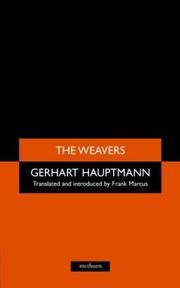
Hauptmann’s distinctive strength lay in his ability to move fluidly between naturalist precision and symbolic depth. His early naturalist works, particularly The Weavers and Before Sunrise, depicted the gritty reality of working-class struggle with unflinching honesty and linguistic authenticity, earning him a reputation as a champion of the downtrodden. Yet he never confined himself to any single mode: plays like The Sunken Bell and Hannele demonstrate his equal mastery of poetic symbolism and spiritual questioning, while works such as The Beaver Coat showcase his gifts for sharp social comedy. This range allowed him to explore enduring themes—the tension between idealism and material reality, spiritual seeking amid social upheaval, and the dignity of ordinary lives—through constantly evolving dramatic forms.
In the landscape of world literature, Hauptmann represents the moment when German drama claimed genuine parity with French and Scandinavian traditions. His works influenced generations of playwrights who came after him, proving that serious social engagement and aesthetic innovation need not exist in opposition, but could instead enrich one another.