Günter Grass
1999 Nobel Prize in Literature · Browse all books on Amazon ↗
Günter Grass stands as one of the most significant literary voices of the post-World War II era, a German writer whose work grapples unflinchingly with the moral complexities of twentieth-century history. His 1999 Nobel Prize in Literature honored not just a celebrated novelist but a conscience of his generation—an author who refused to look away from Germany’s darkest chapters while simultaneously crafting some of modern literature’s most inventive and formally ambitious fiction. Grass’s reputation rests on his conviction that literature must confront historical trauma directly, transforming personal memory and national guilt into art of enduring power.
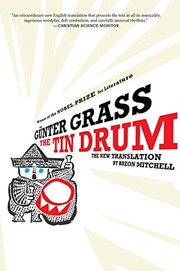
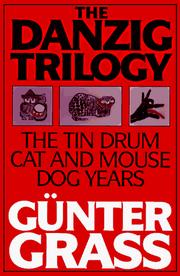
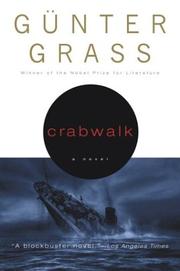
His distinctive style is instantly recognizable: densely layered narratives that blend magical realism with historical documentation, stream-of-consciousness passages with grotesque humor, and a restless formal experimentation that keeps readers perpetually off-balance. Beginning with The Tin Drum, which introduced the unforgettable figure of Oskar Matzerath, a boy who refuses to grow up in Nazi Germany, Grass developed a body of work defined by its linguistic exuberance and moral seriousness. His recurring preoccupations—the persistence of the past, the complicity of ordinary people in extraordinary evil, the redemptive potential of storytelling, and the bodily grotesque as a vehicle for social critique—run through novels like Dog Years and Crabwalk, which continue exploring German identity and historical memory.
Within world literature, Grass represents a crucial bridge between modernism and postmodernism, combining the formal innovations of the European avant-garde with an almost Balzacian commitment to social documentation. His willingness to make German history central to his art while simultaneously transcending narrow nationalism has secured his place as a global literary figure whose influence extends far beyond German letters.