Halldór Laxness
1955 Nobel Prize in Literature · Browse all books on Amazon ↗
Halldór Laxness stands as Iceland’s most internationally celebrated literary figure and a towering presence in twentieth-century world literature. His 1955 Nobel Prize recognition honored not merely individual works but an entire body of writing that revitalized the Icelandic literary tradition while speaking to universal human concerns. Through his fiction, Laxness transformed Iceland’s literary standing from provincial to essential, proving that a small island nation could produce art of genuine global significance.
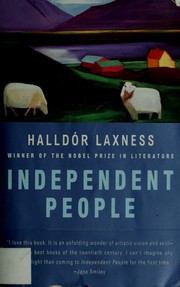
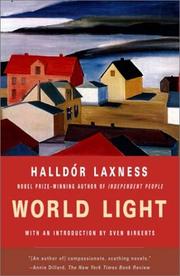
Laxness’s distinctive style blends modernist experimentation with deep roots in Iceland’s saga tradition, creating narratives that shimmer between the mythic and the mundane. His novels are populated by ordinary Icelanders—farmers, fishermen, dreamers—whose struggles and spiritual quests become vehicles for exploring larger questions about independence, faith, poverty, and human dignity. Works like Independent People and World Light exemplify his gift for rendering intimate psychological landscapes while engaging with urgent social and political issues, particularly the material hardships facing rural Iceland during the twentieth century.
What sets Laxness apart is his refusal to choose between social realism and artistic innovation. His prose moves fluidly between colloquial dialogue, philosophical meditation, and poetic intensity, often within the same paragraph. This stylistic restlessness mirrors his thematic concerns: his characters perpetually search for meaning and autonomy in a world that constantly threatens to diminish them. In championing Laxness, the Nobel committee recognized not only a masterful novelist but a writer who had single-handedly restored Icelandic literature to the center of European consciousness.