Han Kang
2024 Nobel Prize in Literature · Browse all books on Amazon ↗
Han Kang stands as one of contemporary literature’s most distinctive voices, celebrated for her unflinching exploration of trauma, violence, and the fragility of human consciousness. The South Korean author’s 2024 Nobel Prize in Literature recognition marks a significant moment for Asian literature on the world stage, affirming her influence across multiple literary traditions and languages. Her work has fundamentally shaped how contemporary fiction approaches the unspeakable, refusing easy comfort or resolution while maintaining profound emotional depth.
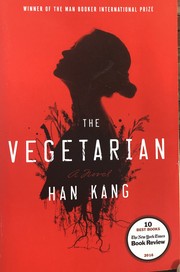
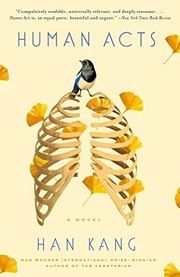
Her distinctive style is marked by sparse, precise prose that creates an almost clinical distance from deeply disturbing subject matter, forcing readers into an intimate confrontation with horror and alienation. In The Vegetarian, her breakthrough novel that earned the International Booker Prize, Han Kang examines physical refusal and bodily autonomy through the story of a woman’s sudden decision to stop eating meat, unraveling the violence lurking within family structures. This signature technique—using seemingly mundane choices as entry points into psychological and political trauma—recurs throughout her work, from the communist massacre explored in Human Acts to the philosophical meditation on writing and mortality in Greek Lessons and the fragmented exploration of maternal ambivalence in The White Book.
Han Kang’s place in world literature reflects her position as a bridge between Korean literary traditions and global modernism, influenced by both the country’s complex twentieth-century history and international experimental fiction. Her willingness to depict suffering without sentimentality, combined with her technical mastery of narrative fragmentation and unreliable consciousness, has established her as a crucial voice for understanding how literature processes collective and personal trauma in the contemporary moment.