Harold Pinter
2005 Nobel Prize in Literature · Browse all books on Amazon ↗
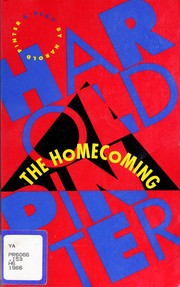
Harold Pinter stands as one of the most influential dramatists of the twentieth century, fundamentally reshaping modern theatre through his distinctive approach to language and human interaction. Born in London, Pinter became a towering figure in postwar drama, earning the 1965 Tony Award for Best Play for The Homecoming and receiving the Nobel Prize in Literature in 2005 for his mastery of dramatic art. His plays have been performed countless times across the world’s greatest stages, cementing his reputation as a writer who challenged and redefined what theatre could be.
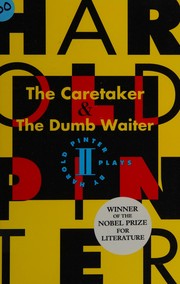
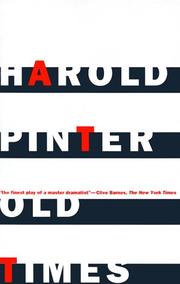
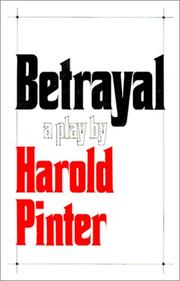
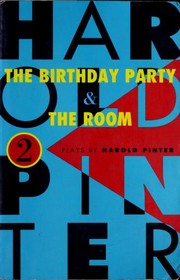
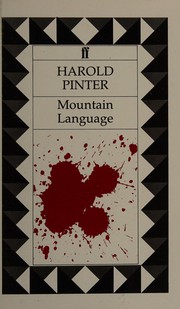
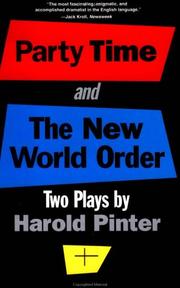
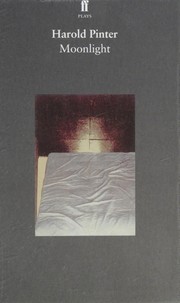
Pinter is best known for inventing what critics termed “the Pause”—those pregnant silences and elliptical conversations that capture the unspoken tensions beneath everyday human interaction. His dialogue is sparse and naturalistic, often fractured by pauses and interruptions that suggest menace, desire, and miscommunication lurking beneath banal social exchanges. Works like The Birthday Party, The Caretaker, and The Dumb Waiter establish his trademark style, where ordinary domestic or workplace settings become sites of psychological complexity and barely concealed threat. Betrayal, Old Times, and Moonlight showcase his equally powerful exploration of memory, desire, and the dissolution of relationships, while later works like Mountain Language and One for the Road reveal his unflinching engagement with political violence and interrogation.
Beyond the stage, Pinter was a fierce political voice, using his platform to challenge government policies and champion human rights. His later dramatic works increasingly fused his theatrical innovation with this political conscience, making his career a singular arc from linguistic pioneer to morally committed artist. In recognizing him, the Nobel Academy acknowledged not just his technical brilliance but his profound influence on global literature and theatre—a writer who proved that what remains unsaid can be as powerful as speech itself.