Henrik Pontoppidan
1917 Nobel Prize in Literature · Browse all books on Amazon ↗
Henrik Pontoppidan stands as one of Denmark’s most significant literary figures and a towering presence in Scandinavian realism. His 1917 Nobel Prize in Literature recognized a body of work that fundamentally shaped Danish prose fiction and established him as a master of psychological insight and social observation. Pontoppidan’s reputation rests on his unflinching examination of human nature and his ability to capture the moral complexities underlying ordinary lives, work that earned him comparison to the great realist novelists of his era.
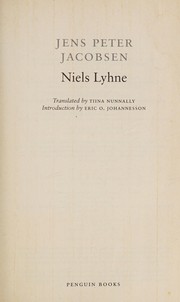
Pontoppidan’s distinctive style combines meticulous naturalistic detail with profound philosophical questioning, exploring themes of personal ambition, religious doubt, and the tension between individual desire and social responsibility. His novel Niels Lyhne became a cornerstone text of Scandinavian literature, tracing its protagonist’s spiritual crisis and loss of faith with remarkable subtlety. In works like Atlantis and The Fortunate Life, he continued this preoccupation with idealism confronting reality, crafting narratives that linger in the moral and psychological uncertainties of his characters rather than resolving them neatly.
Within the broader tradition of European realism, Pontoppidan occupies a unique position as both a rigorous naturalist and a deeply introspective writer concerned with interior life. His influence on subsequent Scandinavian and European literature proved substantial, establishing templates for the psychological novel that writers would build upon for generations. Through his precise prose and uncompromising honesty about human weakness and aspiration, Pontoppidan elevated Danish literature to international significance.