Henryk Sienkiewicz
1905 Nobel Prize in Literature · Browse all books on Amazon ↗
Henryk Sienkiewicz stands as one of the towering figures of Polish literature and a masterful practitioner of the historical novel form. His 1905 Nobel Prize in Literature recognized not only his extraordinary literary gifts but also his role as a cultural ambassador who brought Polish history and identity to global audiences during a period when Poland itself had been erased from the map. His sweeping narratives and vivid storytelling earned him readers across Europe and beyond, establishing the historical novel as a vehicle for both artistic excellence and national consciousness.
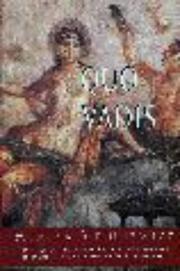
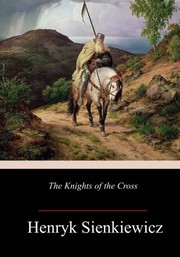
Sienkiewicz’s distinctive style combines meticulous historical research with the dramatic momentum of a born storyteller, creating narratives that feel both authentically grounded and compulsively readable. His major works—the trilogy With Fire and Sword, The Deluge, and The Knights of the Cross, along with the ancient Roman epic Quo Vadis—showcase his gift for weaving personal destinies into the fabric of great historical events. Whether depicting seventeenth-century Polish-Lithuanian struggles or the clash between early Christianity and imperial Rome, he crafted stories of moral conviction, courage, and passionate engagement with history’s largest questions.
Beyond the historical canvas, Sienkiewicz explored the psychological and spiritual dimensions of human experience in works like Without Dogma and Children of the Soil, revealing the inner turbulence beneath surface events. His influence on world literature lies not merely in his technical mastery but in his demonstration that fiction rooted in historical consciousness could achieve universal significance—a legacy that continues to resonate in how writers approach the relationship between personal narrative and collective memory.