Herta Müller
2009 Nobel Prize in Literature · Browse all books on Amazon ↗
Herta Müller stands as one of the most important literary voices to emerge from the former Soviet bloc, offering unflinching testimony to the brutality of totalitarian regimes through a distinctive and haunting literary style. The 2009 Nobel Prize in Literature recognized her as a writer of profound moral courage whose work gives language to experiences of oppression, displacement, and psychological terror. Her reputation rests not merely on her subject matter but on her revolutionary approach to form itself—she has fundamentally reshaped how literature conveys trauma and resistance.
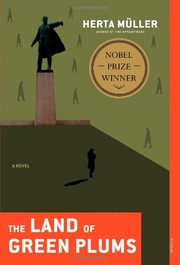
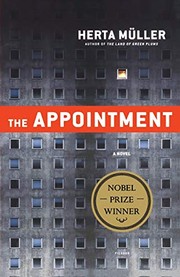
Müller’s prose is characterized by dreamlike precision, fragmented narratives, and a collage-like assembling of images that fracture conventional storytelling to mirror the fractured consciousness of those living under surveillance and threat. Her novels and memoirs—including The Land of Green Plums, The Hunger Angel, and The Appointment—explore the intersecting tyrannies of Soviet-era Romania, forced exile, and the interior landscapes of those scarred by state violence. She employs metaphor as a tool of psychological survival, where everyday objects and sensory details become vessels for exploring how authoritarian systems damage the human soul.
A writer of profound philosophical depth, Müller occupies a unique position in contemporary world literature as a witness-artist who refuses easy comfort or redemptive narratives. Her work fundamentally belongs to the tradition of German-language literature while drawing on her identity as a member of Romania’s German-speaking minority, a position that shaped her experience of displacement across multiple borders and languages. Her influence extends far beyond her immediate context, establishing new possibilities for how literature can testify to historical atrocity with both intellectual rigor and emotional authenticity.