Imre Kertész
2002 Nobel Prize in Literature · Browse all books on Amazon ↗
Imre Kertész stands as one of the most significant voices in post-Holocaust literature, and his 2002 Nobel Prize in Literature recognized a lifetime of unflinching artistic vision. A Hungarian writer who survived the Nazi concentration camps as a teenager, Kertész transformed his harrowing experience into profound meditations on fate, identity, and the human condition. His work occupies a unique place in world literature—neither straightforward testimony nor conventional autobiography, but something far more philosophically complex and artistically demanding. Despite his monumental subject matter, Kertész resisted the role of mere witness, insisting instead on the novelist’s right to imagination and artistic freedom.
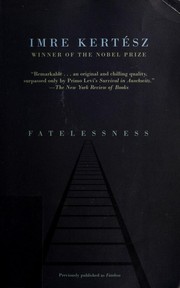
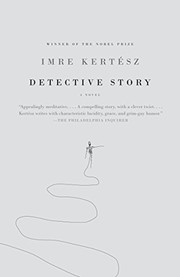
Kertész’s distinctive style is marked by introspective intensity and philosophical rigor. His prose often spirals inward, circling around questions of meaning and survival with a kind of obsessive precision. His masterwork, Fatelessness, presents a coming-of-age story infused with existential darkness, while Kaddish for an Unborn Child engages in tortured dialogue with the possibility of perpetuating life after genocide. Works like Fiasco, Detective Story, and Herman further demonstrate his range, each exploring different formal approaches to the eternal questions that haunt his fiction. Throughout his oeuvre, Kertész examines how individuals navigate systems of oppression and meaninglessness, making his concerns resonate far beyond their historical origins.