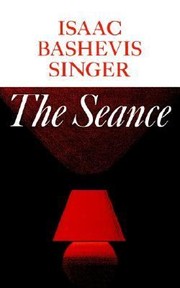
Isaac Bashevis Singer
1978 Nobel Prize in Literature · Browse all books on Amazon ↗
Isaac Bashevis Singer stands as one of the most significant literary voices of the twentieth century, bringing the vanished world of Eastern European Jewish life into vivid imaginative focus for a global audience. Writing in Yiddish—a language he championed as a literary medium when many had declared it moribund—Singer created a body of work that bridges the secular and the mystical, the mundane and the supernatural. His 1978 Nobel Prize in Literature recognized his achievement in reviving a rich cultural tradition through fiction of uncommon power and originality.
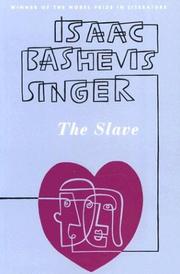
Singer’s distinctive voice blends psychological realism with elements of folk tale, demonology, and philosophical inquiry. His characters inhabit a universe where the boundaries between the rational and the irrational remain perpetually permeable, where passion and moral struggle unfold against the backdrop of a world on the brink of annihilation. Recurring throughout his fiction are questions of faith, desire, redemption, and the tension between earthly appetites and spiritual yearning. Whether exploring the passionate entanglement of Enemies, a Love Story, the moral complexity of The Slave, or the everyday epiphanies of stories like “Gimpel the Fool,” Singer reveals the extraordinary within the ordinary lives of his characters.
As a witness to the destruction of European Jewry and a chronicler of a civilization lost to history, Singer occupied a unique place in world literature. His work preserves not merely the details of Jewish life in Poland and beyond, but the spiritual and intellectual texture of a culture, rendering it accessible and achingly human to readers far removed from that world. In doing so, he affirmed the universal significance of particular human experience and the enduring power of storytelling itself.