Ivan Bunin
1933 Nobel Prize in Literature · Browse all books on Amazon ↗
Ivan Bunin stands as a towering figure in Russian literature and the first Russian writer to win the Nobel Prize in Literature. Recognized in 1933 for his artistic mastery and the depth of his narrative skill, Bunin represents the culmination of nineteenth-century Russian literary tradition while remaining profoundly modern in sensibility. His work bridges the gap between the great realist novels of Tolstoy and Dostoevsky and the more experimental modernist movements of the early twentieth century, earning him a unique position as both a custodian of classical forms and an innovator in their application.
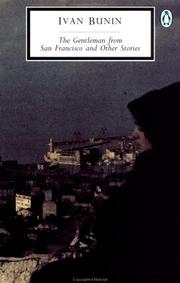
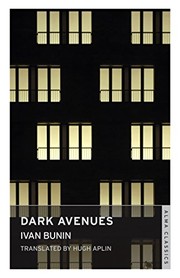
Bunin’s distinctive style combines lyrical precision with unflinching psychological insight, often exploring the contradictions of human desire, memory, and mortality. His stories—ranging from intimate character studies to sweeping social observations—are marked by a crystalline prose style and an almost musical attention to language. Recurring throughout his work are meditations on love’s transience, the decay of the Russian aristocracy, and the bittersweet relationship between past and present. Whether depicting a chance encounter aboard a ship in “The Gentleman from San Francisco” or capturing fleeting moments of passion in “Dark Avenues” and “Sunstroke,” Bunin finds profound universal truths in seemingly momentary human experiences.
His significance in world literature rests partly on his role as keeper of Russian literary heritage during a period of profound upheaval. Though he spent much of his later life in emigration following the Russian Revolution, Bunin’s work remained deeply rooted in Russian sensibility, ensuring that the country’s literary tradition would endure and influence generations of writers far beyond its borders.