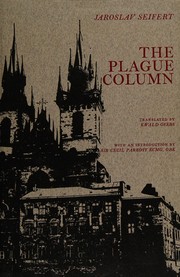
Jaroslav Seifert
1984 Nobel Prize in Literature · Browse all books on Amazon ↗
Jaroslav Seifert stands as one of the most important voices in twentieth-century Czech literature and a towering figure of Central European modernism. His 1984 Nobel Prize recognized a lifetime of artistic innovation and moral courage—particularly his unflinching commitment to freedom of expression during the Communist era. Seifert’s work embodies the resilience of Czech culture itself, offering readers access to a literary tradition that Western audiences often found remote or inaccessible.
Seifert’s distinctive style evolved from early avant-garde experimentation toward a lyrical, deeply sensory poetry grounded in everyday life and memory. His poems shimmer with attention to light, texture, and the small human details that anchor larger questions of meaning and mortality. Works like Hands and Dressed in Light showcase his gift for transforming ordinary moments—a gesture, a garment, an architectural ruin—into meditations on time, loss, and endurance. Recurring throughout his career are themes of Prague itself (with its history and geography), the tension between artistic beauty and political oppression, and the redemptive power of love and human connection against historical darkness.
As both poet and public intellectual, Seifert represented the conscience of Czech literature during its most constrained years. His willingness to speak against totalitarianism, coupled with his technical mastery and imaginative depth, secured his legacy as a writer who proved that poetry could be simultaneously accessible, formally accomplished, and politically vital—making him essential to any understanding of modern European letters.