John Steinbeck
1962 Nobel Prize in Literature · Browse all books on Amazon ↗
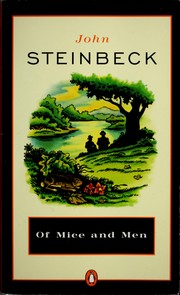
John Steinbeck stands as one of the most significant American writers of the twentieth century, earning the Nobel Prize in Literature in 1962 for his powerful and compassionate examination of working-class American life. His novels captured the struggles and resilience of ordinary people during extraordinary times, particularly during the Great Depression, and his unflinching portrayal of social injustice gave voice to those society often overlooked. Works like The Grapes of Wrath and Of Mice and Men became cornerstones of American literature, establishing Steinbeck as a writer of both artistic merit and profound moral vision.
Steinbeck’s distinctive style blended accessible, vernacular storytelling with philosophical depth, allowing him to reach both popular audiences and literary critics. His recurring themes—the dignity of common workers, the tension between individual dreams and social realities, the bonds of friendship and family, and humanity’s relationship with the natural world—resonated across generations. Whether chronicling migrant farm workers fleeing the Dust Bowl or exploring the intimate lives of small-town Californians, he brought sociological insight to his narratives without sacrificing emotional authenticity or narrative power.
A California writer deeply rooted in the landscapes and communities of his native state, Steinbeck expanded the possibilities of American fiction by legitimizing the experiences of working people as worthy subjects for serious literature. His influence extended far beyond his lifetime, establishing a literary tradition that valued social consciousness and empathy as essential components of great storytelling, and securing his place as a defining voice of American letters.