José Saramago
1998 Nobel Prize in Literature · Browse all books on Amazon ↗
José Saramago stands as one of the most significant literary voices of the late twentieth century, a writer whose work fundamentally challenged conventional narrative form while exploring profound philosophical questions about human nature and society. The Portuguese author’s 1998 Nobel Prize in Literature recognized not merely his individual masterpieces but his revolutionary approach to fiction itself—a body of work that redefined what literature could accomplish in an age of political upheaval and existential uncertainty.
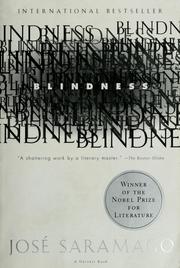
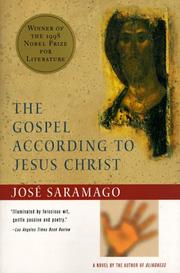
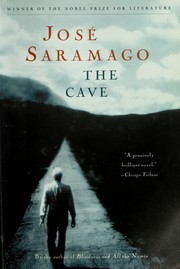
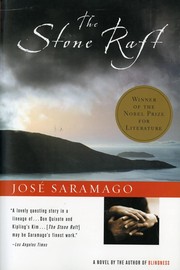
Saramago’s distinctive style is immediately recognizable for its rejection of traditional punctuation and paragraph breaks, creating a flowing, almost breathless prose that mirrors the consciousness of his characters and forces readers into an intimate, sometimes disorienting relationship with his narratives. His novels frequently employ fantastical premises—a city struck by an epidemic of blindness, the dead returning to refuse burial, a stone raft carrying the Iberian Peninsula away from Europe—as vehicles for examining moral responsibility, social structures, and the absurdity of human existence. Works like Blindness and The Gospel According to Jesus Christ demonstrate his gift for using the extraordinary to illuminate the ordinary failures and capacities of ordinary people.
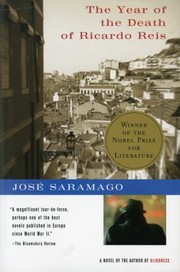
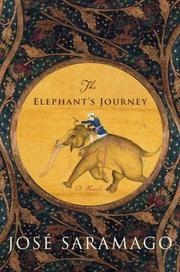
Throughout his career, Saramago blended philosophical inquiry with political engagement, drawing from his Communist convictions to create work that was simultaneously intellectually rigorous and deeply humanistic. His novels resonate across world literature as examples of how formal innovation can serve thematic depth, proving that experimental narrative techniques need not alienate readers but can instead forge new forms of connection. From The Year of the Death of Ricardo Reis to The Elephant’s Journey, Saramago’s oeuvre represents a towering achievement in contemporary European letters.