Kazuo Ishiguro
2017 Nobel Prize in Literature · Browse all books on Amazon ↗
Kazuo Ishiguro stands as one of contemporary literature’s most accomplished stylists, earning the Nobel Prize in Literature in 2017 for his distinctive mastery of narrative and emotional restraint. Born in Japan and raised in Britain, Ishiguro has created a body of work that transcends national boundaries, exploring the human condition with quiet precision and moral complexity. His influence on modern fiction is substantial, having shaped conversations about memory, regret, and the possibilities of redemption across his acclaimed career.
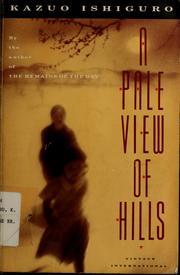
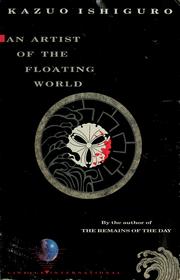
Ishiguro’s signature approach centers on unreliable narrators and carefully managed disclosure, creating narratives where what remains unsaid carries as much weight as explicit confession. His protagonists are often solitary figures—a butler reflecting on decades of service, a woman grappling with fragmented memories of wartime Japan, a former artist confronting his complicity in historical atrocities. This preoccupation with memory, duty, and the stories we tell ourselves runs through works like The Remains of the Day and An Artist of the Floating World, novels that reveal how personal narratives can obscure or reframe moral truth.
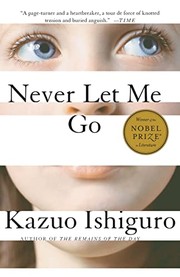
Beyond literary fiction, Ishiguro has expanded his thematic range into speculative territory, particularly in Never Let Me Go and Klara and the Sun, examining what it means to be human through science fiction frameworks. His work consistently bridges the literary establishment and broader readership, combining intellectual rigor with deeply affecting human drama. This combination of technical sophistication and emotional accessibility has secured his place as a major voice in world literature, representing a particularly British-Japanese sensibility that challenges readers to look beneath polished surfaces.