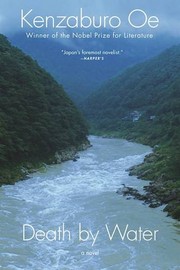
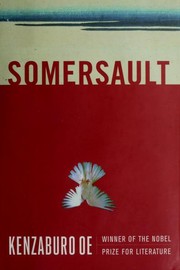
Kenzaburō Ōe
1994 Nobel Prize in Literature · Browse all books on Amazon ↗
Kenzaburō Ōe stands as one of the most consequential voices in postwar Japanese literature, earning the 1994 Nobel Prize in Literature for his distinctive fusion of lyrical imagination and unflinching social critique. His emergence in the 1950s marked a generational shift in Japanese fiction—a move away from traditional forms toward experimental, psychologically probing narratives that grappled with the trauma of war, modernization, and existential alienation. Ōe’s willingness to challenge literary conventions and address taboo subjects established him as both a literary innovator and a moral conscience for his nation’s cultural conversation.
Ōe’s work is characterized by a restless formal inventiveness and a deeply personal engagement with suffering—both collective and individual. His novels blend myth, memory, and modernist fragmentation, often featuring protagonists struggling against the weight of history and their own limitations. Recurring throughout his oeuvre are meditations on disability, fatherhood, and the possibility of redemption through art and human connection. His language is deliberately dense and disorienting, reflecting interior states of crisis and transformation, while his narratives frequently circle back to Japan’s atomic legacy and the moral questions it raised for subsequent generations.
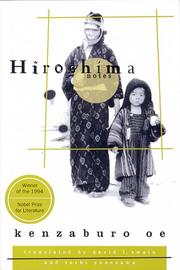
Within world literature, Ōe represents a crucial bridge between Eastern and Western modernist traditions, drawing inspiration from European existentialism while remaining rooted in Japanese cultural specificity. His influence extends across generations of writers, and his insistence that literature must bear witness to historical trauma while exploring the deepest recesses of consciousness helped shape the trajectory of contemporary world fiction. Through works like Hiroshima Notes, he demonstrated that the most intimate psychological narratives could also function as profound political statements.