Knut Hamsun
1920 Nobel Prize in Literature · Browse all books on Amazon ↗
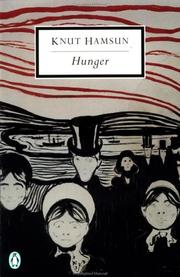
Knut Hamsun stands as one of the most influential and controversial figures in Nordic literature. The Norwegian author’s 1920 Nobel Prize recognized his revolutionary contributions to fiction, particularly his pioneering work in stream-of-consciousness narrative and psychological realism. Hamsun’s early masterpieces like Hunger established him as a radical innovator who moved beyond 19th-century naturalism to explore the fractured, irrational depths of human consciousness—influencing modernist writers across Europe and establishing new possibilities for the novel form itself.
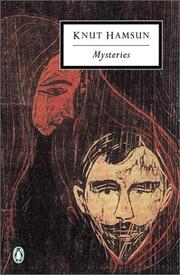
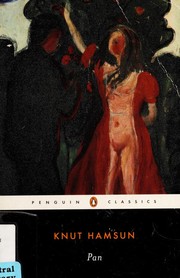
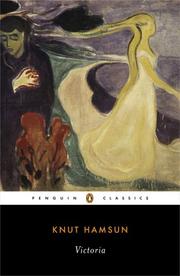
Hamsun’s distinctive style centers on introspective, often unreliable narrators navigating alienation, desire, and the tensions between civilization and nature. His novels frequently feature wandering protagonists grappling with poverty, romance, and existential uncertainty, as seen in works like Pan, Victoria, and Mysteries. He possessed an almost musical gift for capturing the internal rhythms of thought and emotion, transforming psychological vulnerability into literary art. Recurring themes of loneliness, artistic struggle, and humanity’s complicated relationship with the natural world thread throughout his canon.
Though his literary legacy remains secure, Hamsun’s reputation has been complicated by his later political affiliations. Nonetheless, his formal innovations and unflinching psychological investigations secured his place as a pivotal modernist figure who helped shape 20th-century literature. His influence extends beyond Scandinavia, touching writers across traditions who sought to render the texture of interior consciousness.