Luigi Pirandello
1934 Nobel Prize in Literature · Browse all books on Amazon ↗
Luigi Pirandello stands as one of the most innovative and philosophically challenging dramatists of the twentieth century. The Italian writer revolutionized modern theater by dismantling the boundaries between illusion and reality, turning the stage itself into a laboratory for exploring how we construct identity and meaning. His 1934 Nobel Prize recognized not only his prolific output but his fundamental transformation of dramatic structure and audience expectations. Pirandello’s influence extends far beyond his native Italy, establishing him as a towering figure in world literature who shaped how contemporary playwrights approach questions of truth and performance.
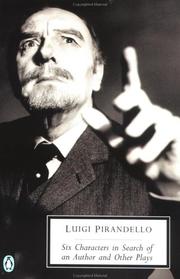
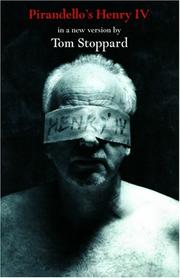
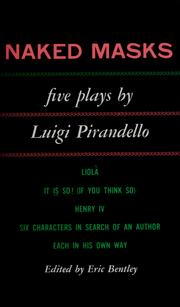
At the heart of Pirandello’s work lies a distinctive philosophical skepticism about the nature of reality and identity. His plays, including Six Characters in Search of an Author and Henry IV, famously collapse the distance between actor and character, performance and authenticity, in ways that both unsettle and fascinate audiences. Rather than presenting a single coherent truth, Pirandello’s characters inhabit worlds where reality fractures into multiple competing perspectives. His recurrent themes—the masks we wear in society, the gap between how others perceive us and how we understand ourselves, the arbitrary nature of meaning—suggest a modernist sensibility that prefigures contemporary concerns about identity and authenticity.
Beyond his groundbreaking plays, Pirandello was a prolific novelist and short story writer whose explorations of psychological alienation and social contradiction run throughout his entire body of work. His commitment to depicting the absurdity and contradictions of human existence, coupled with his formal innovations in narrative and dramatic structure, secured his place as a pivotal predecessor to the theater of the absurd and existential modernism. Pirandello demonstrated that serious philosophical inquiry and radical formal experimentation could coexist, making him essential to understanding how twentieth-century literature grappled with the collapse of certainty.