Mario Vargas Llosa
2010 Nobel Prize in Literature · Browse all books on Amazon ↗
Mario Vargas Llosa stands as one of the most significant literary figures of the past half-century, a writer whose ambitious novels and restless intellectual engagement have shaped contemporary Latin American literature. Born in Peru, Vargas Llosa achieved international acclaim with works that combine narrative sophistication with unflinching social critique, earning him the Nobel Prize in Literature in 2010 for his cartography of power structures and his trenchant depictions of individual resistance and revolt. His influence extends far beyond the Spanish-speaking world, establishing him as a central voice in the global literary canon.
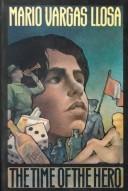
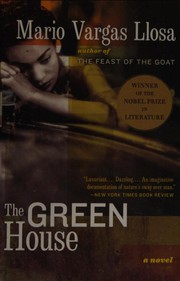
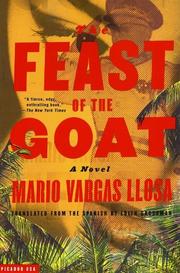
Vargas Llosa’s fiction is characterized by formal innovation and structural complexity, often employing multiple narrators, intricate timelines, and nested narratives that mirror the layered realities he seeks to capture. His recurring themes—the corrupting nature of power, the tension between individual desire and social constraint, the unreliability of memory and truth—unfold across geographies both real and imagined. Whether depicting Peruvian military life in The Time of the Hero, the colonial underbelly of the Amazon in The Green House, or the political tumult of the Dominican Republic in The Feast of the Goat, Vargas Llosa demonstrates a commitment to exploring how personal passions collide with historical forces and institutional systems.
Beyond fiction, Vargas Llosa has been an active literary critic and essayist, examining the relationship between literature and life with philosophical rigor. His work as both novelist and public intellectual has positioned him as a bridge between artistic creation and civic engagement, making him a model of the writer as both craftsman and conscience.