Maurice Maeterlinck
1911 Nobel Prize in Literature · Browse all books on Amazon ↗
Maurice Maeterlinck stands as one of the most influential dramatists of the late nineteenth and early twentieth centuries, a Belgian writer whose innovative approach to theater fundamentally transformed how playwrights conceived of drama itself. His 1911 Nobel Prize in Literature recognized not merely his individual works but his revolutionary contribution to world literature—the creation of what critics call “static drama,” a form that subordinated plot and action to atmosphere, silence, and the ineffable. Maeterlinck’s influence extends far beyond the stage; his philosophical inquiries and lyrical meditations have secured him a permanent place in European intellectual history.
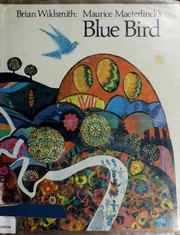
What distinguishes Maeterlinck’s theatrical vision is his masterful use of symbolic language, mysterious atmospheres, and psychological depth. Works like Pelléas and Mélisande and The Blue Bird—perhaps his most celebrated play—eschew conventional dramatic conflict in favor of dreamlike narratives where the real drama unfolds in characters’ inner lives and in the spaces between words. His shorter plays, including The Intruder, The Blind, and The Death of Tintagiles, demonstrate his gift for evoking dread and transcendence through minimal action and suggestive dialogue. This distinctive style made him a towering figure in the Symbolist movement, influencing composers like Debussy and painters seeking to capture the invisible dimensions of human experience.
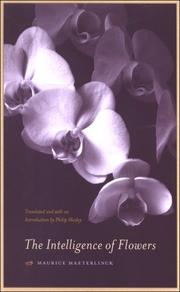
Beyond drama, Maeterlinck proved equally compelling as an essayist and naturalist philosopher. His prose works—The Treasure of the Humble, Wisdom and Destiny, The Life of the Bee, and The Intelligence of Flowers—reveal a writer fascinated by the hidden intelligences of nature and the spiritual dimensions of ordinary existence. These works showcase his conviction that literature could illuminate the profound mysteries underlying both