Miguel Ángel Asturias
1967 Nobel Prize in Literature · Browse all books on Amazon ↗
Miguel Ángel Asturias stands as one of Latin America’s most significant literary voices, a Guatemalan writer whose work profoundly shaped twentieth-century fiction on the continent. His 1967 Nobel Prize in Literature recognized not only the quality of his writing but his role in bringing Central American stories and indigenous perspectives to world attention. Asturias emerged from a tradition of political engagement, drawing on his country’s turbulent history and his deep study of Mayan culture to craft narratives that merged the personal with the political.
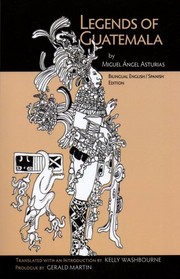
His distinctive style blended magical realism with social critique before the term became widely associated with Latin American literature. Works like The President, his searing portrait of dictatorship, demonstrated his ability to capture institutional brutality through visceral, sometimes hallucinatory prose. Throughout his career—from Legends of Guatemala to the Banana Trilogy, which exposed the exploitation inherent in agricultural colonialism—Asturias returned obsessively to themes of power, indigenous identity, and the human cost of imperialism. His willingness to infuse realism with dreamlike, surreal elements created a unique literary voice.
Asturias occupies a crucial place in world literature as a bridge between European modernism and distinctly Latin American concerns. He demonstrated that politically urgent fiction need not sacrifice artistic sophistication, and his work paved the way for subsequent generations of writers who sought to decolonize the novel itself. His legacy extends beyond Guatemala, establishing him as a foundational figure in the broader Latin American literary renaissance of the mid-twentieth century.