Mikhail Sholokhov
1965 Nobel Prize in Literature · Browse all books on Amazon ↗
Mikhail Sholokhov stands as one of the towering figures of Soviet literature, a writer whose epic novels transformed the Russian literary tradition in the twentieth century. His 1965 Nobel Prize recognized not merely technical mastery but a monumental achievement in capturing the turbulent history of his nation through deeply human narratives. Sholokhov’s work bridged the gap between socialist realism and profound artistic vision, earning him an enduring place in world literature despite the political complexities surrounding his career and the disputed authorship questions that would shadow his legacy.
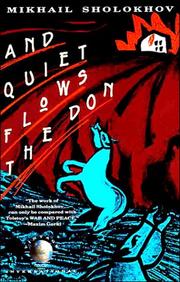
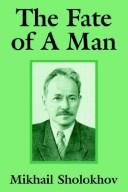
Sholokhov’s distinctive style combined sweeping historical panoramas with intimate psychological portraiture, nowhere more powerfully than in The Quiet Don, his masterwork that traces the fate of Cossack communities through revolution and civil war. His prose moved fluidly between lyrical descriptions of the Don region’s landscape and brutal depictions of violence and displacement, grounding abstract historical forces in the lived experience of ordinary people. Whether in the collective struggle of Virgin Soil Upturned or the individual redemption sought in The Fate of a Man, Sholokhov consistently explored how history shapes destiny, how tradition collides with ideology, and how human dignity persists amid catastrophe.
A writer inextricably linked to twentieth-century Russian experience, Sholokhov gave literary form to the revolutionary upheaval that reshaped his nation. His influence extended across Soviet letters and beyond, establishing him as a canonical figure whose work continued to define how readers understood the Russian Revolution and its human consequences.