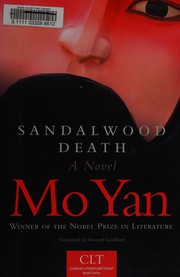
Mo Yan
2012 Nobel Prize in Literature · Browse all books on Amazon ↗
Mo Yan stands as one of China’s most celebrated contemporary writers and the first Chinese citizen to win the Nobel Prize in Literature. Born Guan Moye in Shandong Province, he adopted his pen name—meaning “don’t speak”—as a young man, a choice that paradoxically prefaced a career defined by giving voice to rural Chinese life, historical trauma, and the complexities of his nation’s rapid transformation. His 2012 Nobel recognition acknowledged his mastery of blending realism with magical elements, a technique that has allowed him to explore China’s modern history with unflinching honesty and imaginative power.
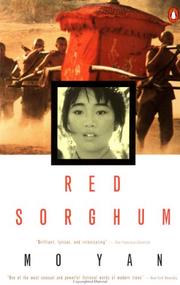
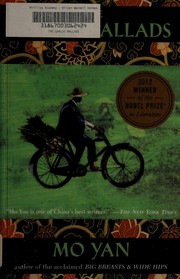
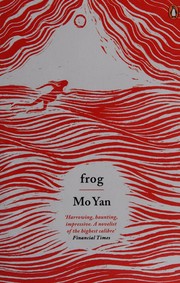
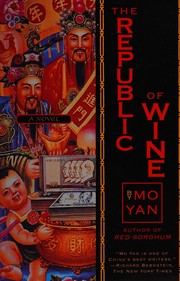
Mo Yan’s fiction is characterized by its sensory richness, dark humor, and refusal to shy away from bodily excess and earthiness. His works frequently return to his native Shandong landscape and the peasant communities he knew intimately, treating rural experience with both reverence and satirical distance. Novels like Red Sorghum and Big Breasts and Wide Hips examine the violence of war and revolution through intimate family sagas, while The Garlic Ballads and The Republic of Wine employ grotesque comedy and surrealism to critique corruption and social dysfunction. His later novel Frog demonstrates his continuing evolution, tackling the human costs of China’s one-child policy with characteristic emotional and stylistic ambition.
In world literature, Mo Yan represents a significant bridge between Chinese literary traditions and global readership, proving that regionally rooted fiction could achieve universal resonance. His work has fundamentally expanded perceptions of contemporary Chinese writing beyond the West, establishing him as a major voice in twenty-first-century world literature and inspiring international conversations about how literature bears witness to historical upheaval and national change.