Nadine Gordimer
1991 Nobel Prize in Literature · Browse all books on Amazon ↗
Nadine Gordimer stands as one of the most significant voices in twentieth-century literature, earning the Nobel Prize in Literature in 1991 for her penetrating examinations of human relationships and moral questions within the context of apartheid South Africa. Her work transcends geographical boundaries despite its deep roots in her native country, exploring universal themes of conscience, complicity, and the possibility of change that resonate far beyond the political moment that shaped her fiction. Gordimer’s literary significance lies in her ability to render intimate, psychologically nuanced portraits of individuals grappling with the moral complexities of living under an unjust political system.
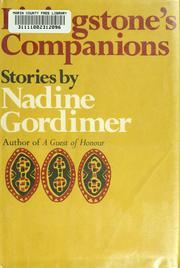
Her distinctive prose style combines precise observation with philosophical depth, moving fluidly between interior consciousness and social landscape. Gordimer’s recurring preoccupation with the tensions between personal relationships and political responsibility animates novels like Burger’s Daughter and July’s People, where she explores how individuals navigate loyalty, betrayal, and the possibility of solidarity across rigid social boundaries. Her short stories, collected in volumes such as A Soldier’s Embrace and Livingstone’s Companions, demonstrate her mastery of form while maintaining the same ethical rigor that defines her longer works.
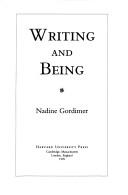
Throughout her career, Gordimer has occupied a unique position in world literature as both a chronicler of a specific historical moment and a universal humanist. Her collected essays and reflections in Writing and Being reveal an artist deeply committed to literature’s role in bearing witness and promoting human understanding. She represents a literary tradition of engaged writing that refuses to separate aesthetic achievement from moral questioning, influencing generations of writers who explore how fiction can illuminate political and social injustice.