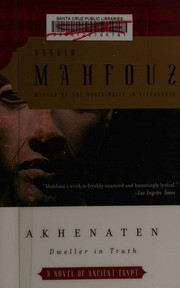
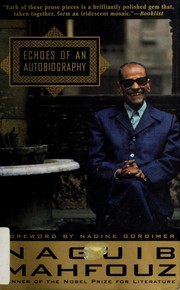
Naguib Mahfouz
1988 Nobel Prize in Literature · Browse all books on Amazon ↗
Naguib Mahfouz stands as one of the most consequential writers of the twentieth century and a towering figure in Arabic literature. Born and raised in Cairo, Mahfouz drew inspiration from the teeming streets, alleyways, and neighborhoods of his native city, transforming them into the primary setting and subject of his literary work. His 1988 Nobel Prize in Literature recognized not only his artistic achievement but also his role in bringing Arabic fiction to global prominence at a time when it remained largely unknown in the Western literary canon. His work demonstrated that the novel form, initially adopted from European traditions, could be naturalized and deepened within an Arab cultural context.
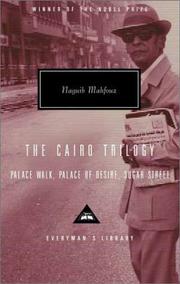
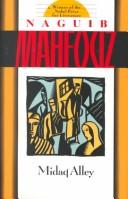
Mahfouz’s distinctive style blends social realism with philosophical inquiry, exploring the inner lives of ordinary Egyptians while grappling with larger questions about faith, morality, and modernity. His masterwork, The Cairo Trilogy, sweeps across decades of Egyptian history through interconnected family narratives, while works like Midaq Alley offer intimate portraits of working-class life in the city’s medieval quarters. He was unafraid to probe controversial subjects: Children of Gebelawi, a reimagining of religious history, provoked serious controversy, yet Mahfouz remained committed to artistic freedom and intellectual honesty. His recurring preoccupations—the tension between tradition and modernization, the search for meaning in an indifferent universe, and the dignity of humble lives—resonate across his prolific output of novels, stories, and philosophical meditations.