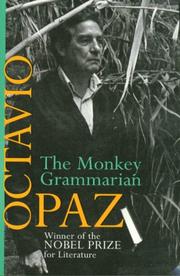
Octavio Paz
1990 Nobel Prize in Literature · Browse all books on Amazon ↗
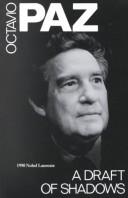
Octavio Paz stands as one of the most influential literary figures of the twentieth century, a Mexican writer whose work reshaped how we understand poetry, identity, and the relationship between cultures. His 1990 Nobel Prize in Literature recognized not only his extraordinary output across poetry, essay, and criticism, but also his role as a cultural ambassador who bridged the traditions of Latin America and Europe. Paz’s intellectual reach extended far beyond literature—he was a diplomat, philosopher, and editor who shaped the literary landscape through his journal Vuelta, making him a towering presence in Mexican and world letters.
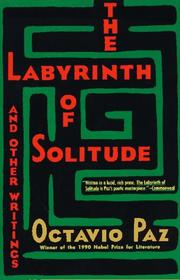
Paz’s distinctive voice emerges from his masterful fusion of lyrical intensity with philosophical rigor. Whether in his landmark essay The Labyrinth of Solitude, where he probes the Mexican character and colonial history, or in his more experimental works like Blanco and Sun Stone, Paz demonstrates an almost restless formal inventiveness. His recurring themes circle around solitude, time, eroticism, and the search for transcendence through language—concerns that feel both deeply personal and profoundly universal. He moved fluidly between accessible narrative and avant-garde experimentation, refusing to be confined by a single aesthetic.
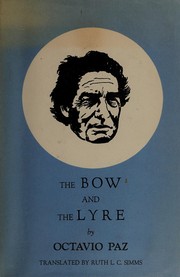
As a poet and thinker, Paz represented a particular strain of twentieth-century modernism: intellectually rigorous, cosmopolitan in outlook, yet deeply rooted in his Mexican origins. His essays on poetry and poetics have proven as influential as his actual poems, offering readers a philosophical framework for understanding how literature works. Through works like The Bow and the Lyre and Children of the Mire, he became a guide for understanding the modernist tradition itself, cementing his place not just as a writer but as a crucial interpreter of our literary moment.