Orhan Pamuk
2006 Nobel Prize in Literature · Browse all books on Amazon ↗
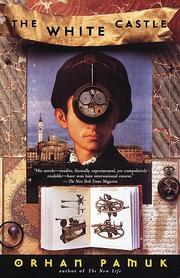
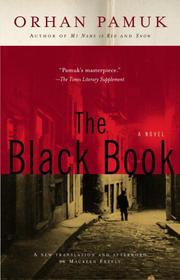
Orhan Pamuk stands as one of the most significant literary voices of the contemporary world, a distinction affirmed by his 2006 Nobel Prize in Literature. The Turkish author has achieved the rare feat of gaining international acclaim while maintaining deep roots in his native culture, creating a body of work that bridges East and West while exploring the complexities of modern Turkish identity. His novels have been translated into dozens of languages and have established him as a major figure in world literature, admired for his intellectual sophistication and narrative innovation.
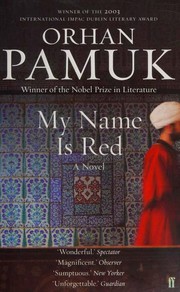
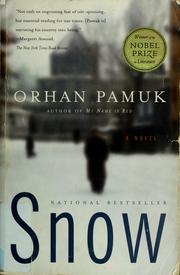
Pamuk’s distinctive style is characterized by metafictional playfulness, historical layering, and philosophical inquiry woven into compelling narratives. His recurring themes explore the tension between tradition and modernity, the nature of memory and time, and the search for meaning in contemporary urban life. In works like My Name is Red, he masterfully interweaves Ottoman history with postmodern storytelling techniques, while Snow examines the ideological conflicts of modern Turkey through a complex narrative architecture. His prose often feels deliberately digressive and self-conscious, inviting readers into his characters’ interior worlds and the very process of artistic creation itself.
Beyond fiction, Pamuk has established himself as an eloquent essayist and cultural commentator through collections like Other Colors, which showcase his reflections on literature, art, and Turkish culture. Istanbul: Memories of a City, his meditation on his birthplace, further demonstrates his ability to blend memoir with cultural history. Through decades of literary achievement and his willingness to engage with political and social questions, Pamuk has become not merely a celebrated novelist but an intellectual voice shaping contemporary discussions about literature, identity, and artistic freedom.