Pablo Neruda
1971 Nobel Prize in Literature · Browse all books on Amazon ↗
Pablo Neruda stands as one of the twentieth century’s most influential poets and a towering figure in Spanish-language literature. The Chilean writer’s 1971 Nobel Prize in Literature recognized not only his extraordinary body of work but his role as a moral voice for the Americas, particularly for those marginalized by political and economic injustice. His reputation extends far beyond literary circles—Neruda became a symbol of the artist as engaged citizen, someone who believed poetry could speak to both intimate human experience and urgent social concerns.
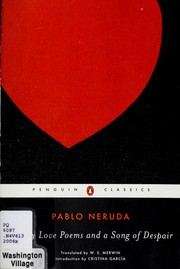
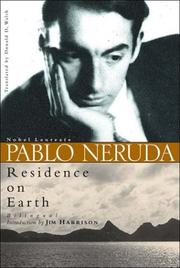
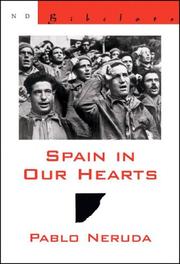
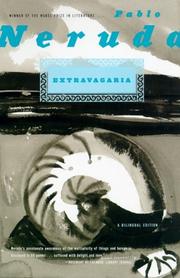
Neruda’s distinctive voice emerged early and evolved dramatically across his prolific career. His early masterpiece, Twenty Love Poems and a Song of Despair, established him as a lyricist of uncommon sensuality and emotional depth, while works like Residence on Earth showcased his modernist experimentation and surrealist influences. Yet Neruda refused to remain confined to personal expression; he transformed his poetry into a vehicle for political commitment, most notably in Spain in My Heart, his response to the Spanish Civil War, and the monumental Canto General, an epic attempt to chronicle the entire history and geography of the Americas. His later collections, including Elementary Odes and Extravagaria, demonstrated his ability to move between the cosmic and the quotidian, celebrating both the heights of Macchu Picchu and the humble objects of everyday life.
As a Communist, diplomat, and political activist, Neruda embodied the notion that poetry need not retreat from the world’s struggles. His work established him as a bridge between the modernist innovations of early twentieth-century literature and a more socially conscious poetic tradition, influencing countless writers who followed and cementing his place as essential to understanding both Latin American letters and modern poetry itself.