Pär Lagerkvist
1951 Nobel Prize in Literature · Browse all books on Amazon ↗
Pär Lagerkvist stands as one of Swedish literature’s most profound moral philosophers, a writer whose 1951 Nobel Prize recognition acknowledged his unique ability to channel philosophical and theological questions through intensely human narratives. Throughout a career spanning poetry, drama, and fiction, Lagerkvist earned an international reputation for his unflinching examination of good and evil, faith and doubt, suffering and redemption. His work resonates across literary traditions as simultaneously deeply personal and universally resonant, offering readers philosophical complexity wrapped in compelling storytelling.
Lagerkvist’s distinctive style blends sparse, almost biblical prose with hallucinatory intensity, creating an atmosphere that feels both stripped down and dreamlike. He had a particular gift for exploring profound spiritual crises through characters existing at civilizational crossroads or moral breaking points—pilgrims questioning their faith, historical figures confronting their own complicity in darkness, ordinary people grappling with questions of conscience. His recurring preoccupation with the problem of suffering, the nature of evil, and humanity’s capacity for both cruelty and grace gives his work an existential depth that influenced writers far beyond Scandinavia.
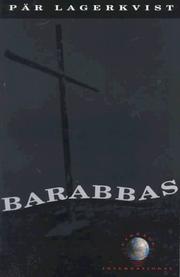
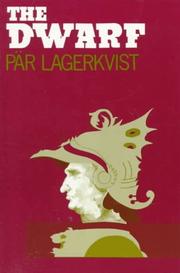
What made Lagerkvist essential to world literature was his refusal to offer easy answers to impossible questions. Whether depicting the criminal Barabbas, the sadistic dwarf, or a medieval executioner, he approached his subjects with unflinching honesty and psychological penetration. His novels endure because they treat timeless human dilemmas—how to live ethically in an indifferent universe, whether redemption is possible—with the seriousness they deserve, creating literature that troubles and illuminates in equal measure.