Pearl Buck
1938 Nobel Prize in Literature · Browse all books on Amazon ↗
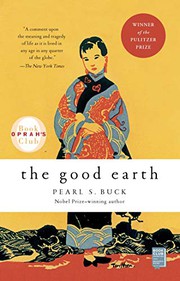
Pearl Buck stands as one of the twentieth century’s most prolific and widely read authors, earning the 1938 Nobel Prize in Literature for her rich, imaginative portrayal of Chinese peasant life and her masterworks of biography. Born in West Virginia but raised in China by missionary parents, Buck developed an intimate understanding of Chinese culture that few Western writers could claim, making her uniquely positioned to interpret the Chinese experience for American and European audiences. Her monumental novel The Good Earth, which sold millions of copies worldwide, introduced countless readers to the struggles and triumphs of rural Chinese farming families with unprecedented authenticity and humanistic depth.
Buck’s literary significance lies in her ability to render the universal within the particular—to show how timeless human yearnings for dignity, family, and meaning play out across cultural divides. Her recurring themes explore the tension between tradition and modernity, the resilience of ordinary people facing historical upheaval, and the complexities of cross-cultural understanding. Works like Sons, A House Divided, and The Living Reed trace how individuals navigate social transformation, while others such as East Wind, West Wind and The Hidden Flower examine the collision between Eastern and Western values. Her prolific output across novels, short stories, and memoirs—including her own spiritual autobiography My Several Worlds—demonstrates an artist committed to capturing the full scope of human experience across continents and generations.