Rabindranath Tagore
1913 Nobel Prize in Literature · Browse all books on Amazon ↗
Rabindranath Tagore stands as one of the most significant literary figures of the twentieth century and the first non-European writer to win the Nobel Prize in Literature. His 1913 award recognized not merely an exceptional body of work but an entire cultural movement—one that bridged Eastern and Western literary traditions at a pivotal moment in world literature. A Bengali polymath who excelled as poet, novelist, playwright, essayist, and philosopher, Tagore’s influence extends far beyond literature into music, visual arts, and educational reform, making him a rare figure whose impact shaped intellectual life across continents.
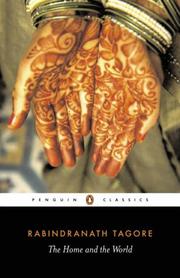
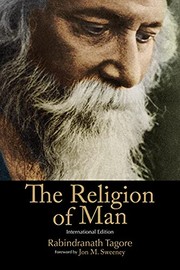
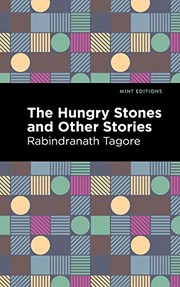
Tagore’s distinctive voice emerges from a profound synthesis of Indian spiritual traditions and modern sensibilities. His poetry collection Gitanjali, which anchored his Nobel recognition, exemplifies his lyrical exploration of divine love and human connection through deceptively simple, intimate language. Whether crafting philosophical essays like Sadhana and The Religion of Man or composing short stories such as those in The Hungry Stones and Other Stories, Tagore consistently examined the tensions between tradition and modernity, nationalism and universal brotherhood, and the individual soul’s relationship to the infinite. His novels—including The Home and the World and Gora—demonstrate his sophisticated engagement with social and political questions, particularly India’s struggle with colonialism and questions of identity.
As a representative of the Bengali Renaissance, Tagore brought Indian literature into conversation with world literature on equal terms, challenging prevailing Western assumptions about the sources of cultural sophistication. His work embodies a humanistic philosophy that transcends religious and national boundaries, seeking in art and literature a path toward spiritual and social awakening. This combination of artistic mastery and ethical vision established him as a towering influence for generations of writers and thinkers who followed.