Rudyard Kipling
1907 Nobel Prize in Literature · Browse all books on Amazon ↗
Rudyard Kipling stands as one of the most prolific and influential writers of the late nineteenth and early twentieth centuries, earning the Nobel Prize in Literature in 1907 at the relatively young age of forty-one. Born in India and drawing deeply from his childhood experiences there, Kipling brought an unprecedented authenticity and vividness to colonial settings that captivated readers worldwide. His reputation rests on his extraordinary versatility—he mastered short stories, novels, poetry, and children’s literature with equal skill, creating works that entertained millions while establishing themselves as enduring classics.
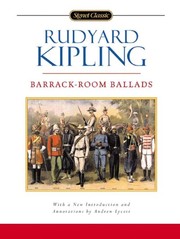
What distinguishes Kipling’s writing is his restless energy and technical mastery combined with an unflinching exploration of duty, power, and human nature in all its complexity. Whether crafting the adventure tales of Kim, the beloved animal fables of The Jungle Book, or the tightly plotted short stories that made him famous, Kipling demonstrated an unmatched gift for narrative momentum and vivid characterization. His poetry, collected in volumes like Barrack-Room Ballads and The Seven Seas, brought colloquial speech and muscular rhythms to verse, democratizing poetic language in ways that influenced generations of writers.
Kipling’s place in world literature remains paradoxical—celebrated for his storytelling brilliance and his profound influence on adventure fiction and children’s literature, yet scrutinized for his imperialist worldview and complex legacy regarding colonialism. Nonetheless, his technical innovations and imaginative scope secured his position as a foundational figure in English literary tradition, one whose best work transcends its era to speak to timeless human experiences of loyalty, identity, and belonging.