Samuel Beckett
1969 Nobel Prize in Literature · Browse all books on Amazon ↗
Samuel Beckett stands as one of the twentieth century’s most revolutionary literary voices, fundamentally reshaping both drama and fiction through his uncompromising exploration of human consciousness and meaninglessness. Born in Dublin but spending much of his creative life in Paris, Beckett developed a distinctly minimalist aesthetic that stripped language and narrative to their bare essentials, creating works of profound bleakness that somehow achieve an almost comedic despair. His 1969 Nobel Prize in Literature recognized his transformative impact on modern letters, cementing his status as a giant of the postwar period whose influence would ripple across multiple generations of writers and playwrights.
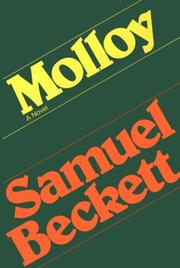
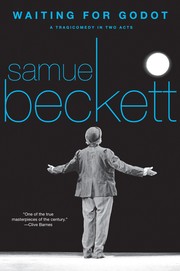
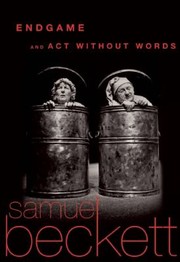
Beckett’s distinctive style emerged from a relentless distillation process—fewer words, fewer props, fewer certainties. His major novels, including Molloy, Malone Dies, and The Unnamable, form a trilogy that progressively deconstructs narrative itself, trapping readers inside increasingly fragmented consciousnesses. His plays like Waiting for Godot, Endgame, and Krapp’s Last Tape introduced a kind of anti-drama to the stage, replacing conventional plot and character development with circular dialogue, long silences, and characters awaiting events that never arrive. Recurring throughout his work are themes of aging, loss, memory, and the fundamental isolation of human existence—yet delivered with a dark humor that prevents his vision from becoming merely nihilistic.
Beckett’s place in world literature is central to understanding modernism’s evolution into postmodernism. He bridges the innovations of Joyce and the emerging absurdist tradition, creating a body of work that influenced everyone from Pinter to Mamet. His commitment to exploring what remains when everything else is stripped away made him indispensable to how literature and theater would be written in the decades following his greatest achievements.