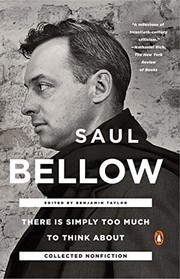
Saul Bellow
1976 Nobel Prize in Literature · Browse all books on Amazon ↗
Saul Bellow stands as one of the most significant American novelists of the twentieth century, a writer who fundamentally shaped the postwar literary landscape. Born in Quebec and raised in Chicago, Bellow brought a distinctly American voice to serious literature at a time when the novel form was being challenged from all directions. His 1976 Nobel Prize recognized not just individual masterpieces but a body of work that restored vitality and humor to serious fiction, proving that philosophical depth and narrative exuberance were not mutually exclusive.
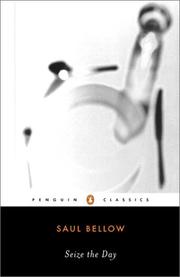
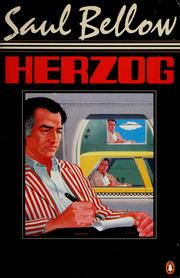
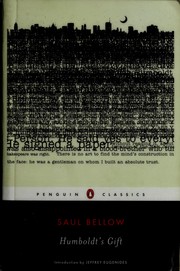
Bellow’s distinctive style is instantly recognizable—a rich, colloquial prose that captures the interior monologues of his characters with unmatched psychological acuity. His novels are populated by intellectuals, schemers, and ordinary men grappling with questions of meaning in an absurd modern world. Works like Herzog and Humboldt’s Gift showcase his ability to blend comedy with profound meditation, while novellas such as Seize the Day distill these concerns into concentrated emotional force. His recurring preoccupation with consciousness itself, with how minds work under pressure, gives his work an almost novelistic quality even as he explores the biggest existential questions.
What elevates Bellow to canonical status is his refusal of both cynicism and sentimentality. His characters are flawed, often foolish, yet persistently human in their search for dignity and connection. He represents a tradition of American humanism that insists the novel remains the perfect instrument for exploring the contradictions of being alive in modern times—neither abandoning intellect nor denying the body, the emotions, and the absurd comedy of existence.