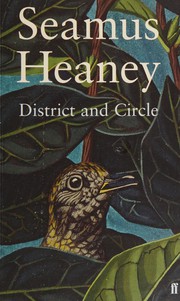
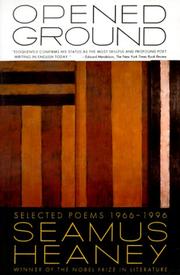
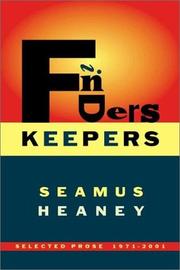
Seamus Heaney
1995 Nobel Prize in Literature · Browse all books on Amazon ↗
Seamus Heaney stands as one of the most significant poets of the twentieth century, commanding a global reputation that extends far beyond his native Ireland. Born in County Derry in 1939, Heaney emerged from the Irish literary renaissance of the 1960s to become a towering figure whose work reshaped contemporary poetry in English. His 1995 Nobel Prize in Literature recognized not only the technical brilliance of his verse but his profound influence on how poets engage with language, history, and cultural identity. He represented a decisive moment when Irish literary voices claimed their place at the center of world literature, moving beyond the shadow of earlier traditions.
Heaney’s distinctive style married meticulous attention to language—what he called “feeling the weight of words”—with an almost archaeological approach to meaning. He excavated the buried histories within everyday objects and rural experiences, finding in bog bodies, ancient tools, and farming rhythms the deep structures of human experience. His recurring preoccupations with memory, loss, artistic responsibility, and the relationship between personal history and national trauma gave his work a depth that resonated across cultures. Whether writing in formally restrained quatrains or more exploratory free verse, Heaney demonstrated that contemporary poetry could be both intellectually rigorous and emotionally accessible.
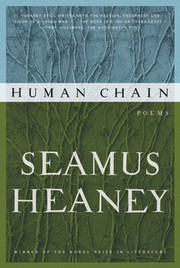
From Death of a Naturalist through Human Chain, his final major collection, Heaney maintained an unflinching artistic vision while continually evolving his craft. His translation of Beowulf became a landmark achievement, proving that he could bring the same luminous precision to ancient texts as to original composition. Heaney’s legacy rests on his conviction that poetry matters in the world’s practical affairs, a belief embodied in his own work as a poet, translator, and cultural commentator whose voice shaped literary conversations for