Selma Lagerlöf
1909 Nobel Prize in Literature · Browse all books on Amazon ↗
Selma Lagerlöf stands as a towering figure in Swedish literature and a pioneer of the novel form in Scandinavia. As the first woman to win the Nobel Prize in Literature in 1909, she broke significant barriers while establishing herself as one of Europe’s most influential writers of her generation. Her work transcended regional boundaries, earning her an international readership that helped establish Swedish literature on the world stage. Lagerlöf’s novels demonstrate a rare combination of accessibility and literary depth, making her equally celebrated among critics and general readers.
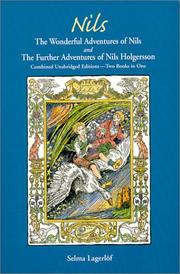
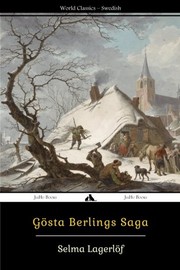
Her distinctive voice emerges from a deep engagement with Swedish folklore, history, and landscape, which she transforms through a richly imaginative sensibility. Works like Gösta Berling’s Saga and The Wonderful Adventures of Nils showcase her gift for weaving together realistic social observation with mythic and fantastical elements. Lagerlöf’s recurring concerns—redemption, moral transformation, the tension between tradition and modernity, and the spiritual dimensions of ordinary lives—give her fiction a timeless resonance. Whether exploring provincial Swedish society or epic narratives of pilgrimage and faith, she crafted stories that operated simultaneously on intimate and universal levels.
Lagerlöf’s place in world literature rests on her ability to bridge literary traditions: she honored the storytelling heritage of her homeland while engaging with European modernism on her own terms. Her work influenced generations of writers and remains central to any understanding of early twentieth-century literature, particularly in how women writers expanded the novel’s possibilities.