Sigrid Undset
1928 Nobel Prize in Literature · Browse all books on Amazon ↗
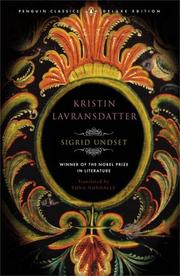
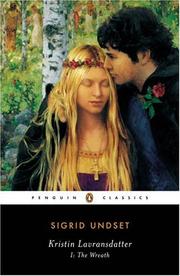
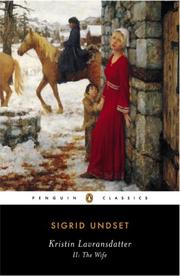
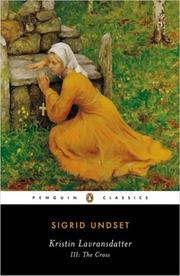
Sigrid Undset stands as one of the most significant novelists of the twentieth century and a towering figure in Scandinavian literature. Her 1928 Nobel Prize in Literature recognized not only her extraordinary literary gifts but also her unflinching moral vision and psychological depth. Undset’s reputation rests largely on her masterwork Kristin Lavransdatter, an epic historical novel that restored the medieval Norwegian world to vivid life and established her as a writer of international stature. Beyond this landmark achievement, her body of work demonstrates a consistently brilliant exploration of women’s inner lives and the complex moral dimensions of human relationships.
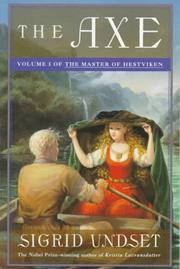
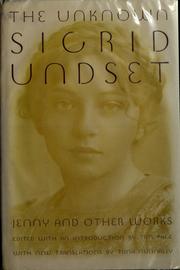
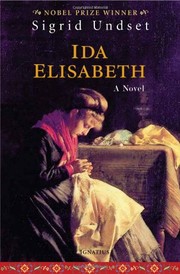
What distinguishes Undset’s fiction is her remarkable ability to inhabit female consciousness with nuance and authenticity, whether examining the spiritual journey of a medieval noblewoman or the emotional turbulence of modern urban women. Her novels often grapple with themes of sin, redemption, love, and duty, informed by her own deep Catholic faith—she converted to Catholicism in 1940, a transformation that increasingly shaped her artistic vision. Works like Jenny, Ida Elisabeth, and The Master of Hestviken showcase her talent for psychological realism and her conviction that authentic human experience cannot be separated from moral and spiritual questions.
Undset’s place in world literature reflects both her formal mastery and her commitment to exploring the interior lives of women with unprecedented seriousness. She belongs to that tradition of novelists for whom fiction serves as a vehicle for examining the deepest questions of human existence, and her Norwegian heritage positions her alongside other Scandinavian writers who brought new psychological and social dimensions to the novel form. Her influence on subsequent generations of writers remains profound and enduring.