Sinclair Lewis
1930 Nobel Prize in Literature · Browse all books on Amazon ↗
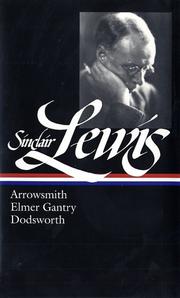
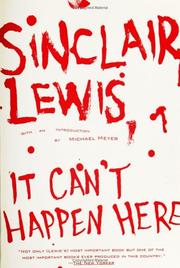
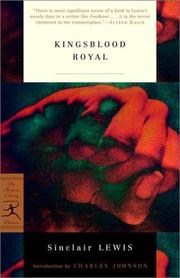
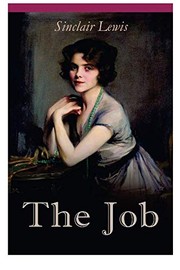
Sinclair Lewis stands as one of the most significant American novelists of the twentieth century, the first American-born writer to win the Nobel Prize in Literature. His 1930 honor recognized his masterful satirical chronicles of American life and his unflinching examination of the values, ambitions, and contradictions that defined the nation. Lewis created a distinctive fictional landscape populated by ordinary Americans—businessmen, doctors, clergymen, and small-town citizens—whose mundane struggles and moral compromises he rendered with both comic precision and underlying compassion.
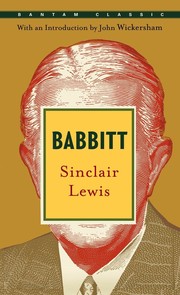
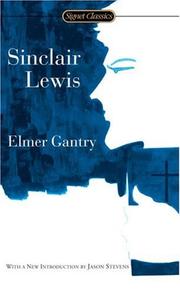
Lewis’s signature style combined meticulous social observation with sharp, witty prose that could strip away the veneer of respectability from American institutions and aspirations. In novels like Main Street, Babbitt, and Elmer Gantry, he anatomized conformity, commercialism, and hypocrisy with surgical exactness, exposing the gap between the nation’s self-image and its reality. His characters pursue success, status, and spiritual fulfillment only to find themselves trapped in mediocrity or moral compromise—a predicament rendered with such specificity and psychological depth that it transcends mere social critique. Whether exploring the stifling conventions of small-town life, the hollowness of corporate ambition, or the corrupting influence of organized religion, Lewis brought an anthropologist’s eye to American culture.
By centering his novels on the struggles of ordinary, often unsympathetic protagonists, Lewis fundamentally expanded what serious literature could address, elevating the quotidian American experience to the level of tragedy and comedy. His work established him as a bridge between nineteenth-century realism and modernist sensibility, influencing generations of American writers who would follow in his path of social documentation and critique.