Thomas Mann
1929 Nobel Prize in Literature · Browse all books on Amazon ↗
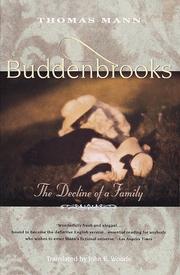
Thomas Mann stands as one of the most significant literary figures of the twentieth century, a German novelist whose work profoundly shaped modernist literature and whose moral authority extended far beyond the page. Born in 1875 in Lübeck, Mann crafted an expansive body of work that combined intellectual rigor with narrative sophistication, earning him the Nobel Prize in Literature in 1929 “for his great novel, Buddenbrooks, and for his outstanding artistic, literary and cultural significance.” His fiction consistently explored the tensions between tradition and modernity, art and life, the individual and society—preoccupations that made him a crucial voice during one of history’s most turbulent periods.
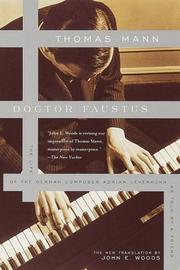
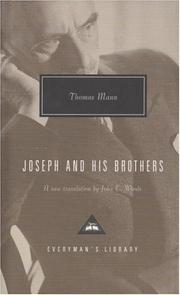
Mann’s distinctive style married psychological depth with formal experimentation, often weaving together multiple literary traditions and philosophical frameworks within densely layered narratives. His recurring themes centered on the artist’s alienation from ordinary life, the allure and dangers of irrationality and aestheticism, and the moral complexities facing intellectuals in times of crisis. Works like The Magic Mountain and Doctor Faustus became emblematic of this approach—ambitious, formally innovative novels that used individual destinies to interrogate larger cultural and political anxieties. His later tetralogy, Joseph and His Brothers, demonstrated his capacity to reinvent his own style while maintaining his philosophical seriousness.
Beyond his novels, Mann’s reputation rested equally on his role as a public intellectual, particularly during the Nazi era, when he became an exile and vocal opponent of totalitarianism. This commitment to using literature as a vehicle for moral clarity secured his position not merely as a great stylist but as a writer of genuine human consequence, cementing his legacy as a central figure in the European literary tradition.