Thomas Stearns Eliot
1948 Nobel Prize in Literature · Browse all books on Amazon ↗
T.S. Eliot stands as one of the most influential poets of the twentieth century, fundamentally reshaping modern literature through his radical formal innovations and intellectual rigor. Born in St. Louis but based in London for most of his career, Eliot bridged American and British literary traditions while establishing himself as an arbiter of modernist aesthetics. His 1948 Nobel Prize recognized not only his groundbreaking poetry but his outsized influence as a critic, editor, and cultural theorist who shaped how entire generations understood literature’s possibilities.
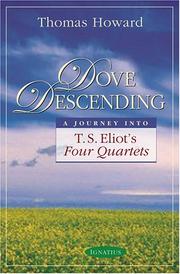
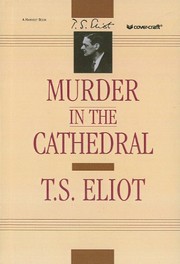
Eliot’s distinctive voice emerges through fragmented narratives, layered allusions, and a sophisticated collage technique that mirrors the psychological and social disorientation of modern life. His masterpiece The Waste Land epitomizes this approach, weaving together multiple languages, literary references, and mythological frameworks to explore spiritual emptiness and cultural decay. Whether in shorter, haunting lyrics like “The Love Song of J. Alfred Prufrock” or the meditative architecture of Four Quartets, Eliot consistently examines alienation, redemption, and the search for meaning—themes made more urgent by his own spiritual journey toward Anglo-Catholicism, which deepened in later works like Murder in the Cathedral and Ash Wednesday.
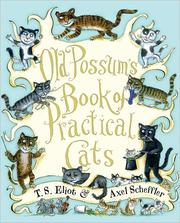
Beyond poetry, Eliot’s essays and critical works profoundly influenced literary criticism itself, establishing concepts like the “objective correlative” that became essential to how readers understand modernism. His range extended surprisingly into drama and even light verse, as evidenced by Old Possum’s Book of Practical Cats, proving his genius transcended a single form. Eliot’s legacy as a modernist pioneer remains unparalleled—he didn’t simply reflect the twentieth century’s fragmentation but invented new linguistic and structural means to express it.