Vidiadhar Surajprasad Naipaul
2001 Nobel Prize in Literature · Browse all books on Amazon ↗
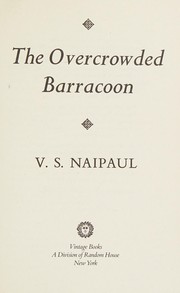
V.S. Naipaul stands as one of the most significant literary voices of the late twentieth century, a writer whose unflinching examination of postcolonial societies and individual displacement earned him the Nobel Prize in Literature in 2001. Born in Trinidad to a family of Indian descent, Naipaul transformed his outsider perspective into a distinctive literary vision that spans novels, travelogues, and essays of remarkable scope and clarity. His work has profoundly shaped how postcolonial literature is understood and discussed globally, establishing him as a major figure in world letters.
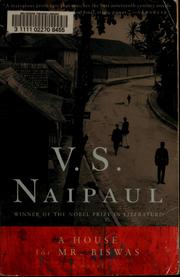
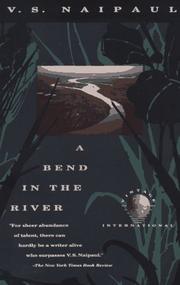
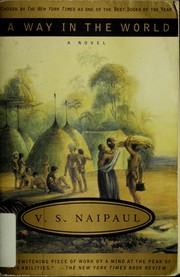
Naipaul’s fiction is characterized by precise, economical prose and a penetrating psychological realism that exposes the moral complexities of his characters with unflinching honesty. His novels—from the tragicomic domestic chronicle of A House for Mr Biswas to the dystopian political landscape of A Bend in the River—explore themes of rootlessness, cultural displacement, and the psychological toll of colonialism and its aftermath. His protagonists are often men adrift in worlds they neither fully belong to nor entirely understand, navigating the gap between aspiration and reality with varying degrees of self-awareness and delusion.
Beyond fiction, Naipaul’s nonfiction—works like The Middle Passage, Among the Believers, and India: A Wounded Civilization—demonstrates his commitment to rigorous cultural and political analysis. These travel narratives and essays reveal a writer engaged in a lifelong interrogation of how societies transform after colonialism, and how individuals construct meaning in fragmented worlds. His uncompromising perspective and literary craftsmanship have established him as an essential voice for understanding the postcolonial condition and the modern human experience.